After nearly ten years on the air, My Hero Academia is about to bring its animated story to a definitive close. The final episode marks the end of a shōnen manga that has become central to modern manga culture, followed by millions of viewers worldwide. For fans, this conclusion goes far beyond the anime itself: it influences collecting practices, cosplay choices, and how the universe is celebrated in everyday life.
On Bakashop, this event naturally fits into a broader reflection on manga culture, iconic characters and how enthusiasts extend their attachment far beyond the screen.
An expected conclusion for a generational anime

From its inception, My Hero Academia has built a narrative centered on legacy, responsibility, and questioning the heroic ideal. The final season doesn't simply conclude a conflict; it explores the psychological consequences of war, the rebuilding of a fractured society, and the coming-of-age of U.A.'s students.
This finale features a more subdued, almost introspective tone, a stark contrast to the previous arcs. The battles give way to silences, glances, and personal choices. This approach amplifies the emotional impact of the conclusion.
Deku and the Redefinition of the Hero
Izuku Midoriya's journey perfectly illustrates this transition. The gradual loss of his power symbolizes a central idea of the story: being a hero isn't just about strength. This narrative evolution deeply resonates with fans and explains why the character remains one of the most popular in cosplay and merchandise.
Secondary characters finally brought to light
The anime's ending also gives screen time to characters who have long remained in the background. Each character's trajectory finds a coherent resolution, giving the audience the feeling of a truly living universe, where every choice leaves a lasting mark.
The impact of the end of My Hero Academia on manga cosplay

When a major anime series ends, interest in cosplay often sees a resurgence. Fans seek to embody their favorite characters one last time, pay homage to a specific arc, or portray a more mature version of the heroes.
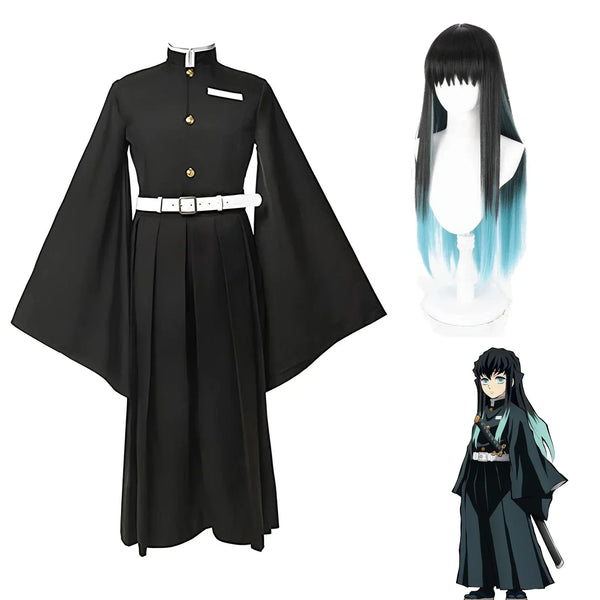
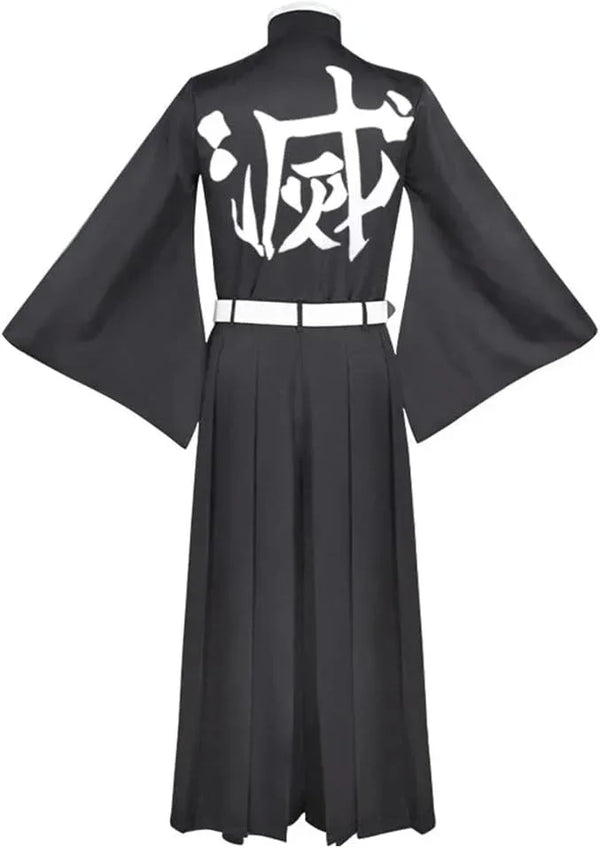
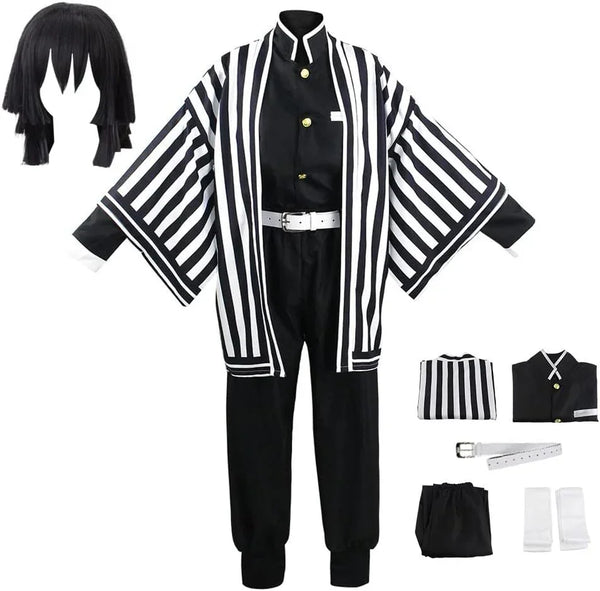
This dynamic is clearly reflected in the manga cosplay category inspired by major licenses , where characters from popular shōnen remain among the most sought after.
Hero costumes and final variations
The final season introduced more understated outfits, sometimes marked by battles and the wear and tear of time. These versions particularly appeal to cosplayers wishing to represent the characters' psychological evolution. There has been an increased demand for complete outfits similar to the uniforms worn at the end of the series.
Manga-inspired clothing also allows for a more discreet reference, suitable for everyday wear or conventions.
Accessories and symbolic details
In My Hero Academia, every visual element has meaning. Gloves, belts, masks, and jewelry become strong markers of identity. Manga jewelry and cosplay accessories allow you to recreate these details without necessarily wearing a full costume.
A work that continues to live on after the final episode
The end of the main anime doesn't mean the end of its universe. Spin-off series, new illustrations, and side projects extend the fan experience. This continuity explains why anime-inspired decor and objects remain important in personal collections.
Manga-inspired decorative elements from cult anime can transform a space into a true visual tribute, whether it be posters, decorative objects or light fixtures.
Why My Hero Academia Remains Central to Manga Culture
Beyond its commercial success, My Hero Academia left its mark on an entire generation with its approach to failure, legacy, and collective responsibility. Its conclusion doesn't erase its influence; it cements it in time.
For enthusiasts, continuing to wear, display, or collect items related to this universe becomes a way to extend the story in a different way. It is within this framework that the new manga and anime-inspired items offered on Bakashop are presented.
FAQ about the end of My Hero Academia
-
Is My Hero Academia definitively over?
The main anime concludes with its final season, but the universe continues through spin-off series and side projects. -
Why is the end of the anime calmer than the previous arcs?
The narrative choice emphasizes the human consequences of war rather than pure action. -
Do the characters remain popular for cosplay after the series ends?
Yes, the end of a major anime often increases interest in cosplay, especially around the final versions of the characters. -
How to incorporate My Hero Academia into a manga-themed decor?
Decorative objects and visual references allow you to celebrate the universe without going through full cosplay.
To explore the world of manga and its inspirations further, find all the categories on Bakashop and regularly consult the manga and Japanese culture blog .